

How do careers progress in yachting? From entry level to senior roles
A strategic guide to career progression in yachting, focusing on how yacht choice, experience, and positioning impact long-term success and movement into senior roles.
4/11/20262 min read

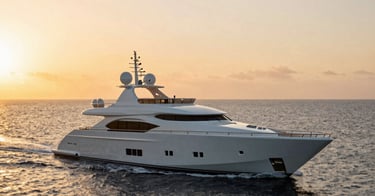
How do careers progress in yachting? From entry level to senior roles
Career progression in yachting is often described as fast, but in reality it is highly dependent on the choices you make early on.
While the structure of roles is relatively clear, moving forward is not simply a matter of time. It requires understanding how different yachts, programs, and roles impact your long-term position in the industry.
What Does Progression Actually Look Like?
Most crew move through a recognised structure within their department, but progression is rarely linear.
Some move quickly through roles, while others remain at the same level for several years.
This is often influenced less by ability, and more by:
The type of yacht they join
The program they are part of
The level of responsibility they are given
Why Do Some People Progress Faster Than Others?
Two crew members can start at the same level and have completely different career outcomes within a few years.
This is usually down to positioning.
Crew who progress faster tend to:
Choose yachts that offer exposure and responsibility
Work within structured, well-run programs
Build strong references early
Understand what the next role actually requires
Those who do not progress often remain in roles where development is limited.
How Important Is Yacht Choice?
The yacht you work on has a significant impact on your progression.
Larger yachts and busy charter programs typically provide:
Higher standards
More structured roles
Greater workload and responsibility
This often leads to faster skill development.
In contrast, quieter or less structured programs may offer stability, but slower progression.
When Should You Move Roles or Yachts?
One of the most common challenges in yachting careers is knowing when to move on.
Staying too long in the wrong position can limit progression, while moving too quickly can affect reputation.
There is no fixed timeline, but progression decisions should be based on:
Whether you are gaining relevant experience
Whether your responsibilities are increasing
Whether the role aligns with your long-term goals
What Role Does Reputation Play?
Yachting is a small and highly network-driven industry.
Your reputation can influence:
Future job opportunities
Recommendations
Progression into senior roles
Strong references and consistent performance often carry more weight than qualifications alone.
What About Moving Into Senior Roles?
Moving into senior positions such as Chief Stewardess, Officer, or Purser requires more than experience.
It involves:
Leadership ability
Decision-making under pressure
Understanding of operations beyond your department
Strong organisational skills
These are typically developed over time, but also depend on the environment you are working in.
Is Progression Guaranteed?
Progression in yachting is possible, but it is not automatic.
Many crew remain at the same level for extended periods due to:
Poor role selection
Lack of direction
Limited exposure to higher-level responsibilities
Those who progress successfully tend to approach their careers more strategically.
Final Thoughts
Yachting offers clear opportunities to progress into senior roles, but the path is not defined by time alone.
It is shaped by the experience you gain, the environments you work in, and the decisions you make along the way.
Understanding how to position yourself at each stage can make a significant difference to how quickly and effectively you progress.
If you are looking to move forward in your yachting career and want clarity on your next steps, explore our career support services or book a consultation for tailored guidance.